What each coating is made of
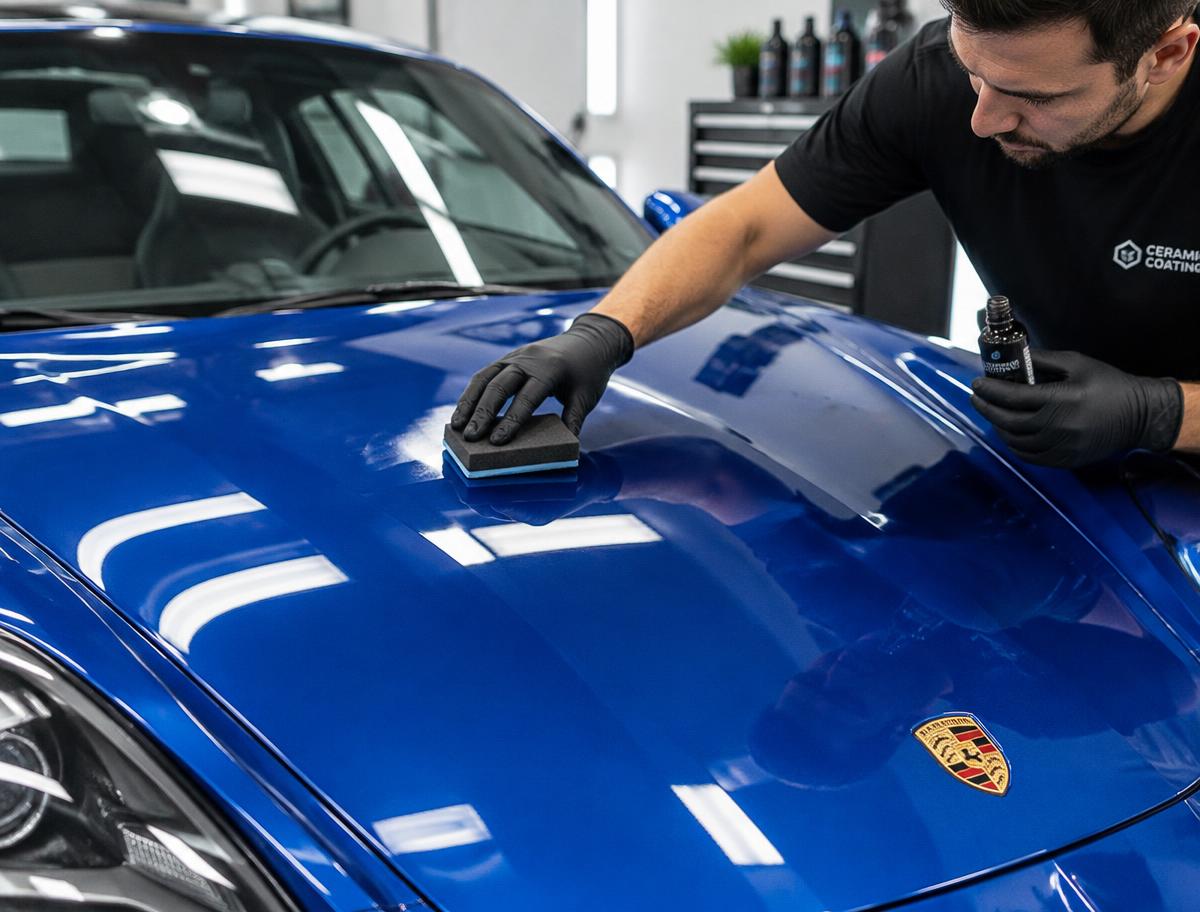
Traditional ceramic coatings are built on silicon dioxide (SiO2) chemistry, forming a hard, glass-like layer bonded to the clear coat. Graphene coatings use graphene oxide particles, often blended with SiO2, to create a similarly hard protective layer with different molecular structure.
Both categories include multiple tiers from consumer-grade products to professional multi-year coatings — the application process and technician skill matter as much as the chemistry.
Heat resistance in Houston summers
Graphene's structure is often marketed for superior heat dissipation, which can matter on a black or dark-colored vehicle sitting in a Houston parking lot in July or August.
Quality SiO2 ceramic coatings also perform well under heat, and the real-world difference for daily driving is often smaller than marketing suggests.
Water spotting and Gulf humidity
Both coating types are highly hydrophobic, causing water to bead and roll off rather than sit and evaporate into mineral spots. This is especially helpful in Houston's humid Gulf Coast climate, where cars often sit with morning dew or afternoon storm residue.
Graphene coatings are sometimes reported to shed water slightly faster, reducing spotting further, though both require periodic maintenance washes to stay performing at their best.
Durability and cost comparison
Professional ceramic coatings typically run $599–$1,499 depending on vehicle size and coating tier, and can last 2-5 years. Graphene coatings are often priced similarly or slightly higher and offer comparable multi-year durability.
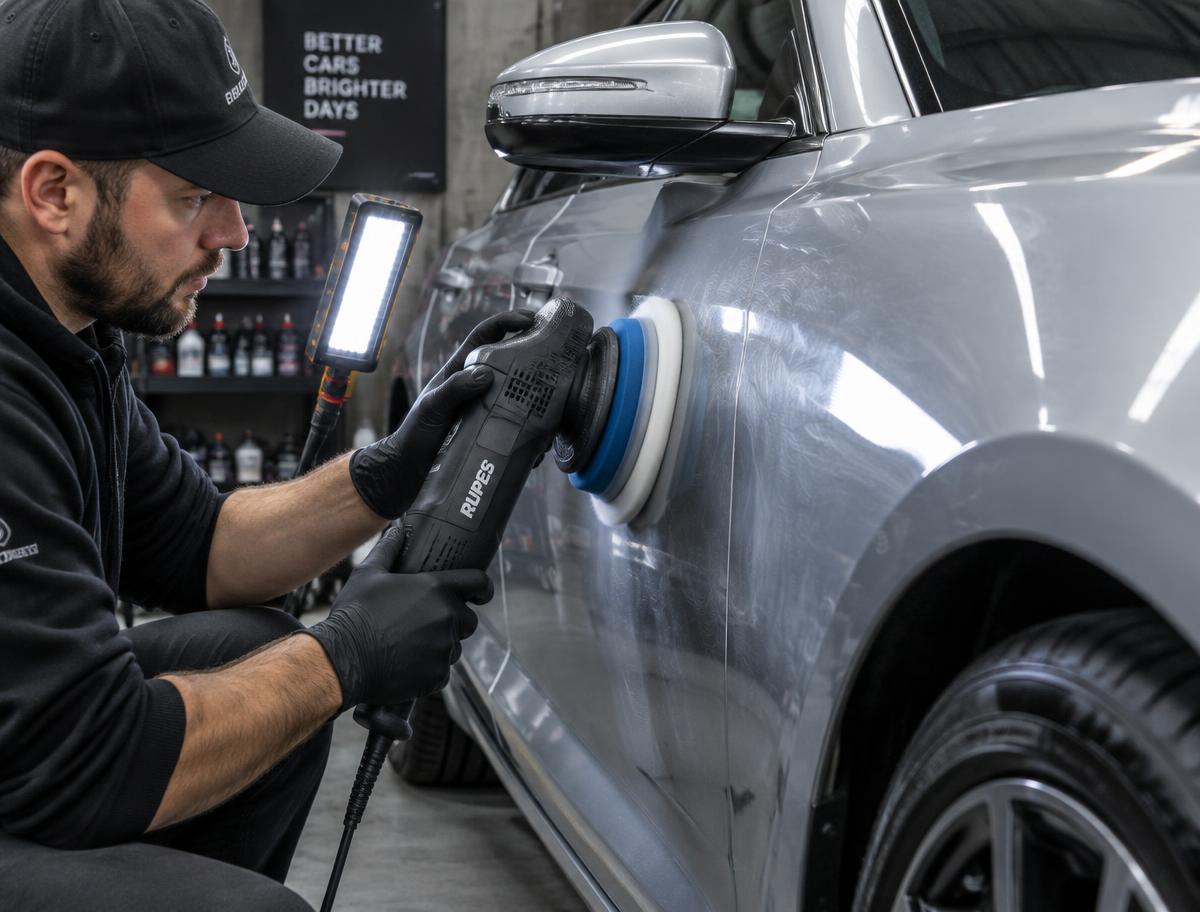
Neither coating is scratch-proof or a substitute for paint correction beforehand — swirl marks and scratches should be addressed before any coating is applied.
Which one should you choose?
If budget is the main concern, a proven SiO2 ceramic coating delivers outstanding gloss and protection for the price. If you want the latest technology and extra heat/water performance and don't mind paying a bit more, graphene is a strong option.
The biggest factor in how well either coating performs is proper paint prep and professional application, not just the chemistry on the label.
Maintaining either coating
Both coatings need regular gentle washing with pH-balanced soap and the two-bucket method to maximize lifespan. Avoid automatic car washes with brushes, which can introduce swirl marks even on coated paint.
People also ask
Let the pros handle it
Full Car Detailing of Houston offers these services at your home or office across Houston: