Why Does Houston Heat Affect Ceramic Coating Longevity?
Houston summers routinely push asphalt and hood surface temperatures well above 150°F, and that sustained thermal stress can break down the silicon dioxide (SiO2) bonds in lower-quality coatings faster than in cooler climates. UV radiation is the biggest enemy of any clear coat protection, and Houston's subtropical sun exposure is nearly year-round.
High humidity from the Gulf of Mexico also means your car's paint rarely gets a true dry rest period, which can allow water spots, mineral deposits, and environmental contaminants to sit on the coating longer. This is why a coating rated for 5 years in a temperate climate might realistically perform closer to 3-4 years here without diligent care.
What's the Difference Between Professional and DIY Ceramic Coatings?
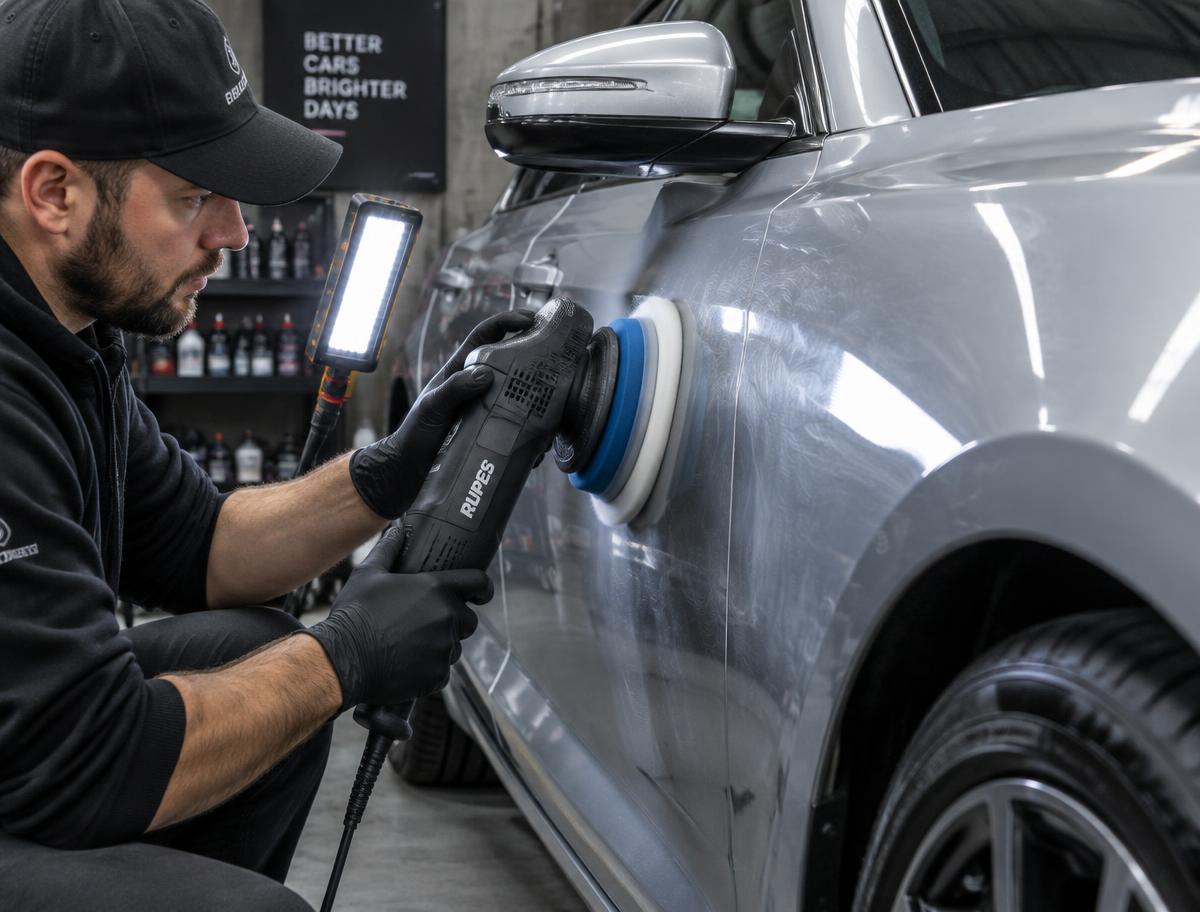
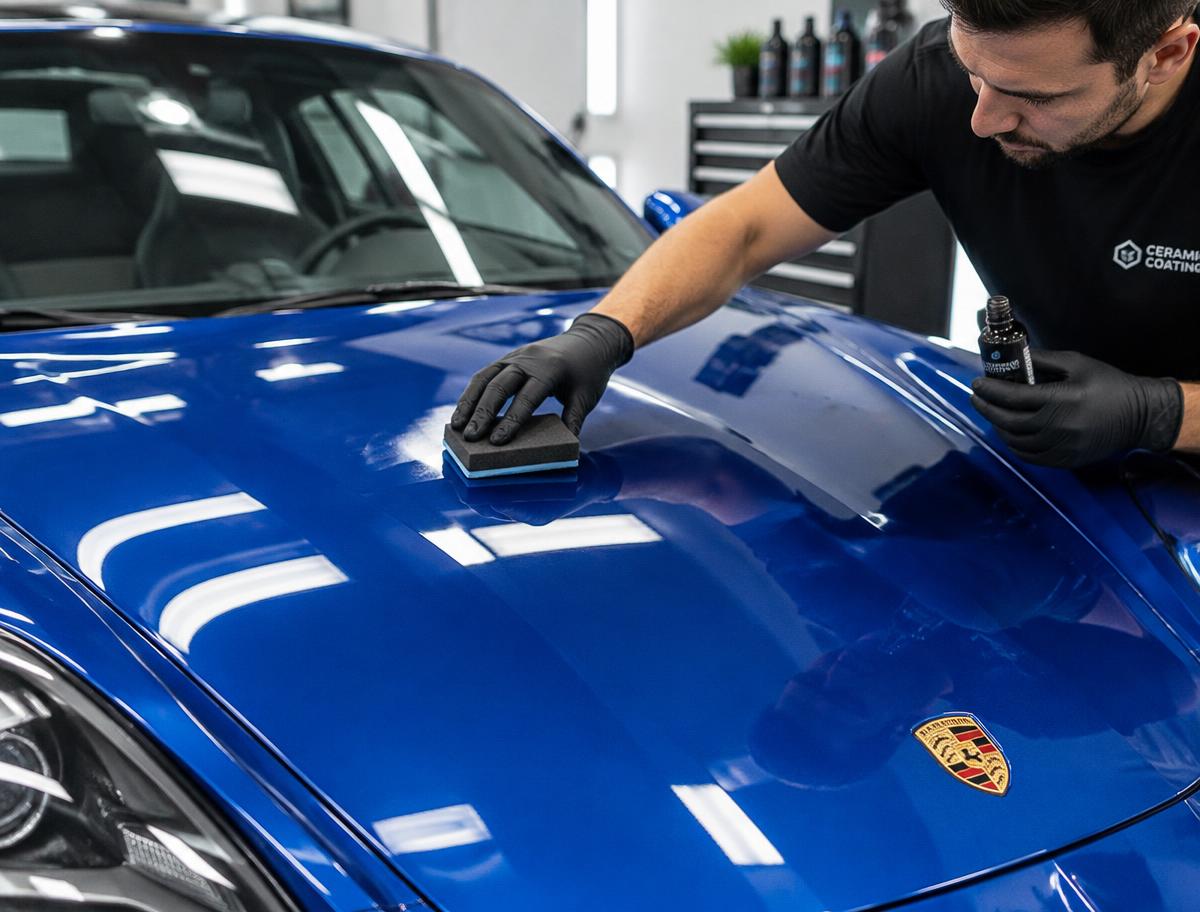
Professional-grade ceramic coatings applied by a trained installer typically contain a higher concentration of SiO2 and are cured under controlled conditions, producing a thicker, more durable layer of protection than consumer spray-on products sold at auto parts stores.
A professionally applied coating in the $599-$1,499 range (depending on vehicle size and paint condition) generally lasts 2-5 years, while drugstore spray coatings often need reapplication every few months. Many detailers, including those following IDA (International Detailing Association) standards, recommend paint correction before coating application to maximize bonding and longevity.
How Can You Extend Ceramic Coating Life in Houston?
Regular maintenance washes every 2-3 weeks help remove love bug residue, oak pollen, brake dust, and road grime before they etch into the coating. Using a pH-neutral soap and avoiding automatic brush car washes preserves the hydrophobic properties longer.
Applying a ceramic boost or topper spray every few months can refresh the slickness and UV protection between full coating renewals. Parking in shade or a garage when possible also reduces cumulative UV exposure, which matters a lot given how many hours of direct sun Houston vehicles endure.
- Wash every 2-3 weeks with pH-neutral soap
- Avoid automatic brush washes
- Apply a ceramic booster spray periodically
- Park in shade or garage when possible
- Address bird droppings and bug splatter quickly
How Do You Know When Ceramic Coating Is Wearing Off?
The clearest sign is reduced hydrophobic behavior — water that once beaded tightly and rolled off starts to sheet or sit flatter on the surface. You may also notice it's harder to wipe off bugs, pollen, or water spots than it used to be.
Gloss levels can also dull slightly as the coating thins. When you notice these changes, it's a good time to schedule a maintenance inspection or a reapplication before the underlying clear coat starts taking the brunt of UV and environmental damage.
When Should You Reapply Ceramic Coating?
Most Houston drivers find that scheduling a reapplication or refresh every 2-3 years keeps protection at its strongest, even if the original coating is rated for longer. Vehicles that stay outdoors full-time or get driven through love bug season (May and September) and heavy pollen season may need attention sooner.
A detailer can assess coating condition during a routine wash and recommend whether a full reapplication or just a topper product is appropriate.
People also ask
Let the pros handle it
Full Car Detailing of Houston offers these services at your home or office across Houston: