What Should You Do Immediately After Flood Exposure?
Time matters more than anything else after flood water enters a vehicle. Remove floor mats, open all doors, and if safe, let the car sit with doors open and windows cracked in a dry, shaded area to start air circulation. Houston's humidity won't dry a flooded interior on its own, so passive airing isn't enough by itself.
Avoid starting the engine if water reached the undercarriage significantly or entered the exhaust, intake, or electrical components, since this can cause further damage. If you're unsure of the water level the car was exposed to, it's safer to have it inspected before driving.
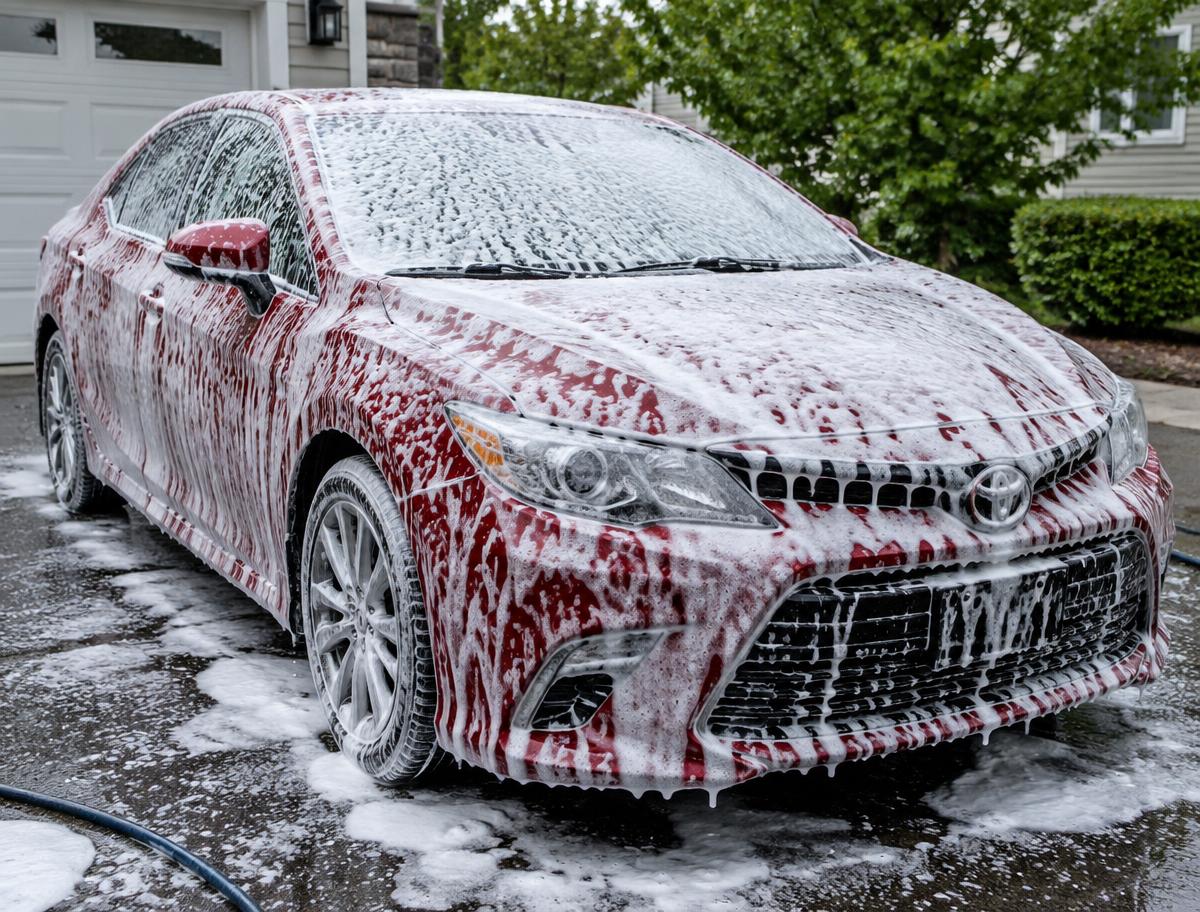
How Do You Clean the Exterior After a Storm?
Flood water often carries silt, mud, and in coastal areas near Galveston Bay, saltwater that can accelerate corrosion on the undercarriage and wheel wells if not rinsed off promptly. A thorough exterior wash, including an undercarriage rinse, helps remove these contaminants before they dry and become harder to clean.
Hurricane season debris can also include tree sap, leaves, and grit that scratch paint if wiped rather than rinsed first. Check for visible water lines on the paint and trim that might indicate how high the flood water reached.
What's Involved in Drying Out a Flooded Interior?
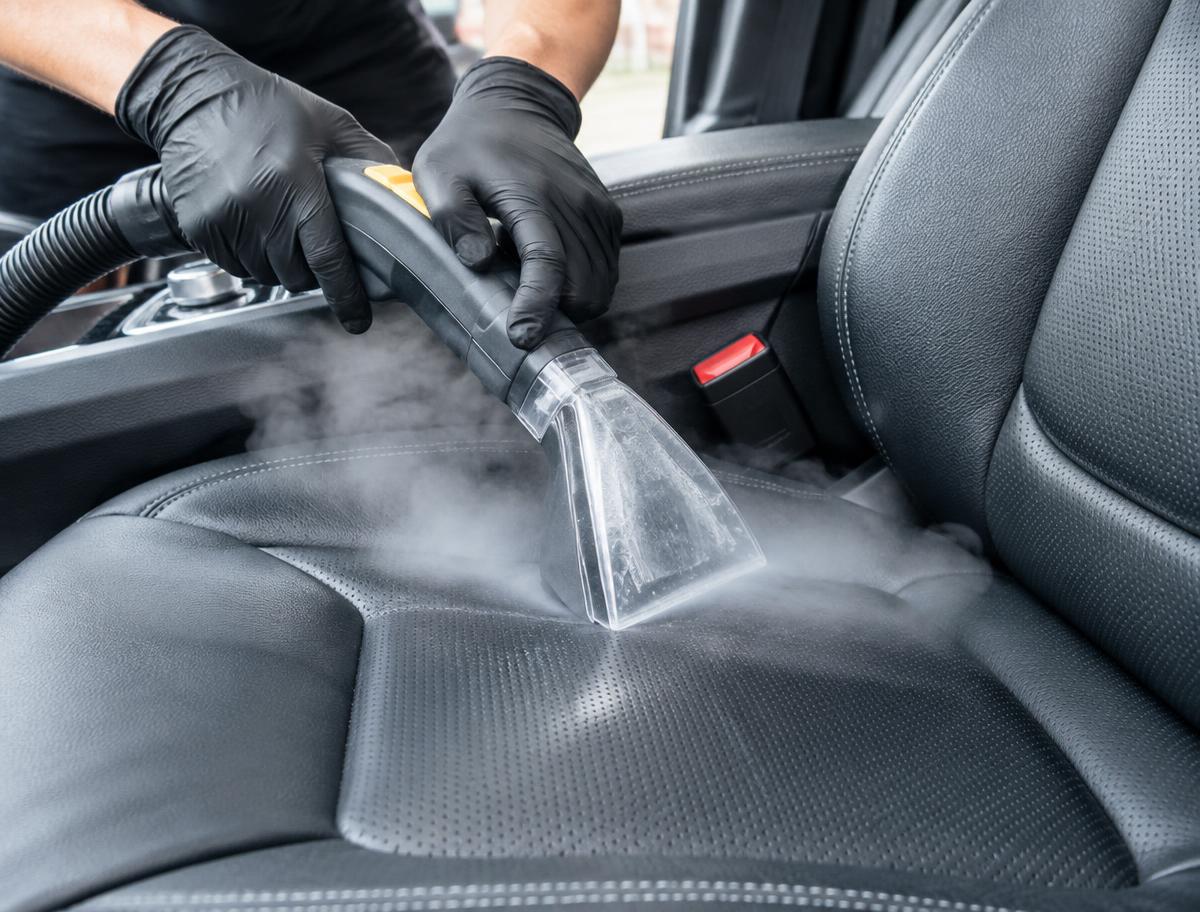
A proper flood cleanup requires removing carpet and padding where possible to extract trapped water, since surface drying alone leaves moisture underneath that leads to mold. Commercial-grade wet vacuums and air movers are typically needed for anything beyond light moisture.
Seats, especially cloth, may need to be partially disassembled to dry foam padding underneath. This is typically beyond a basic interior detail and may require specialized water damage restoration in severe cases, but a detailer can assess and handle moderate flooding.
How Do You Prevent Mold After Flooding?
Mold can begin growing within 24-48 hours in a humid, enclosed car, so speed is critical. After extraction and drying, an antimicrobial treatment applied to carpet, seats, and headliner helps kill any spores that have already started to develop.
A professional odor removal service using ozone or hydroxyl treatment, typically in the $149-$299 range, is often necessary afterward since flood water odor tends to be much more stubborn than typical spills or pet odors.
When Is a Flooded Car Not Worth Cleaning?
If flood water reached above the dashboard or into the engine's electrical systems, the cost of proper restoration can exceed the car's value, and many insurance companies will total the vehicle in these cases. Document the water line and damage with photos for your insurance claim before beginning any cleanup.
For lighter flooding limited to floor-level water intrusion from a leak or minor storm surge, professional interior cleaning and odor treatment can often fully restore the vehicle.
People also ask
Let the pros handle it
Full Car Detailing of Houston offers these services at your home or office across Houston: