What Exactly Is Clay Bar Treatment?
Clay bar treatment involves gliding a synthetic clay bar or clay mitt across lubricated paint, where the clay's slightly tacky surface picks up microscopic contaminants embedded in the clear coat that washing can't dissolve or rinse away. The result is a glass-smooth surface you can actually feel the difference on.
It's not a cleaning product in the traditional sense, since soap and water address surface dirt, while clay addresses particles that have physically bonded to the paint's texture over time.
Why Does Houston Paint Need Clay Bar Treatment So Often?
Houston vehicles accumulate a wide mix of contaminants year-round: heavy oak pollen in spring, love bug residue in May and September, brake dust from daily Harris County traffic, and occasionally fine Saharan dust that drifts in during summer. All of these can bond to paint at a microscopic level even with regular washing.
Because of this contamination load, many Houston detailers recommend clay bar treatment every 3-6 months for daily-driven vehicles, more often for cars parked outdoors under trees or near industrial areas.
How Do You Know If You Need It?
The simplest test is the plastic bag method: place your hand inside a sandwich bag and run it lightly over clean, dry paint. If it feels gritty or rough rather than perfectly smooth, there's embedded contamination that a clay treatment can remove.
Visually, you might also notice that wax or sealant doesn't seem to bond well or beads unevenly, which is often a sign the paint surface isn't as clean as it looks.
What Does the Clay Bar Process Involve?
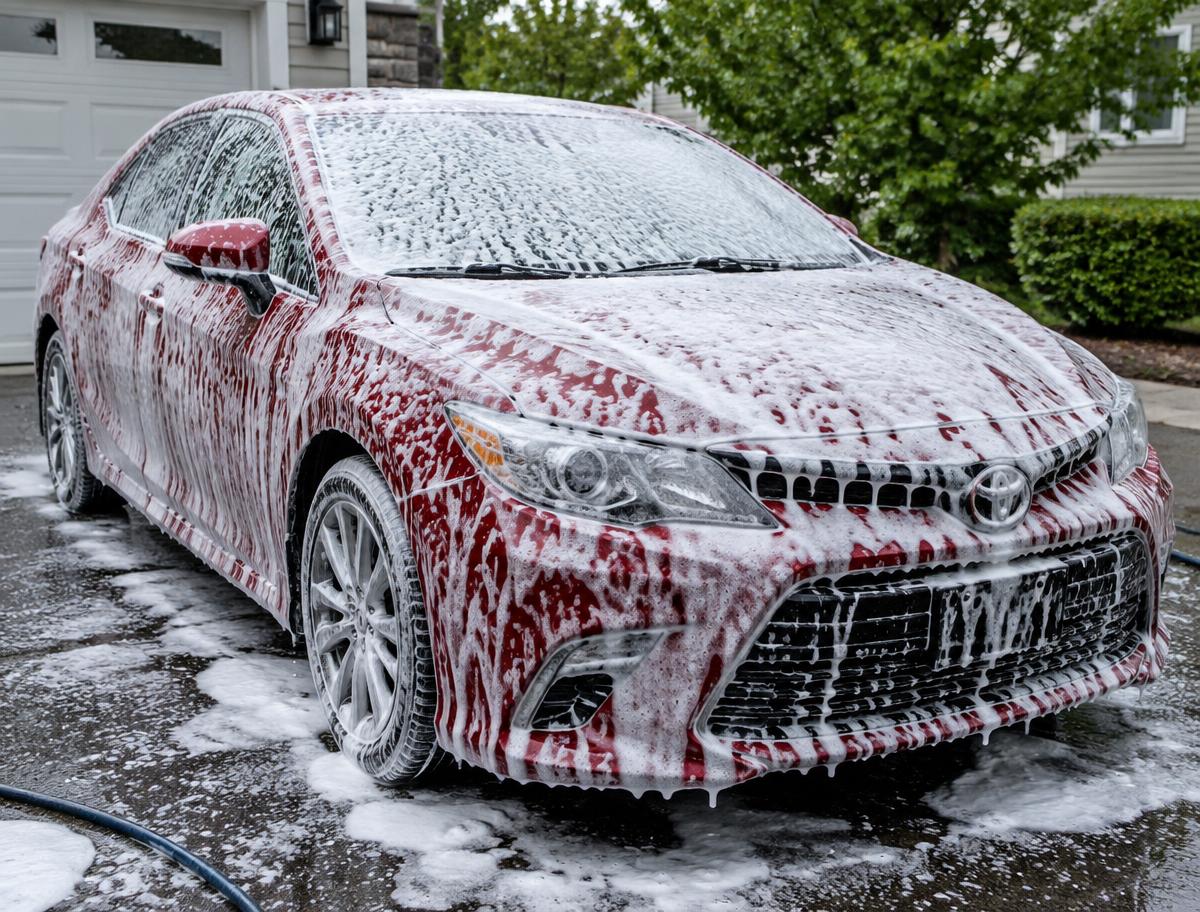
A detailer washes the car first to remove loose dirt, then works in small sections, spraying a lubricant and gliding the clay bar back and forth until the surface feels smooth. The clay itself is folded or kneaded periodically to expose a clean surface and avoid dragging picked-up grit across the paint.
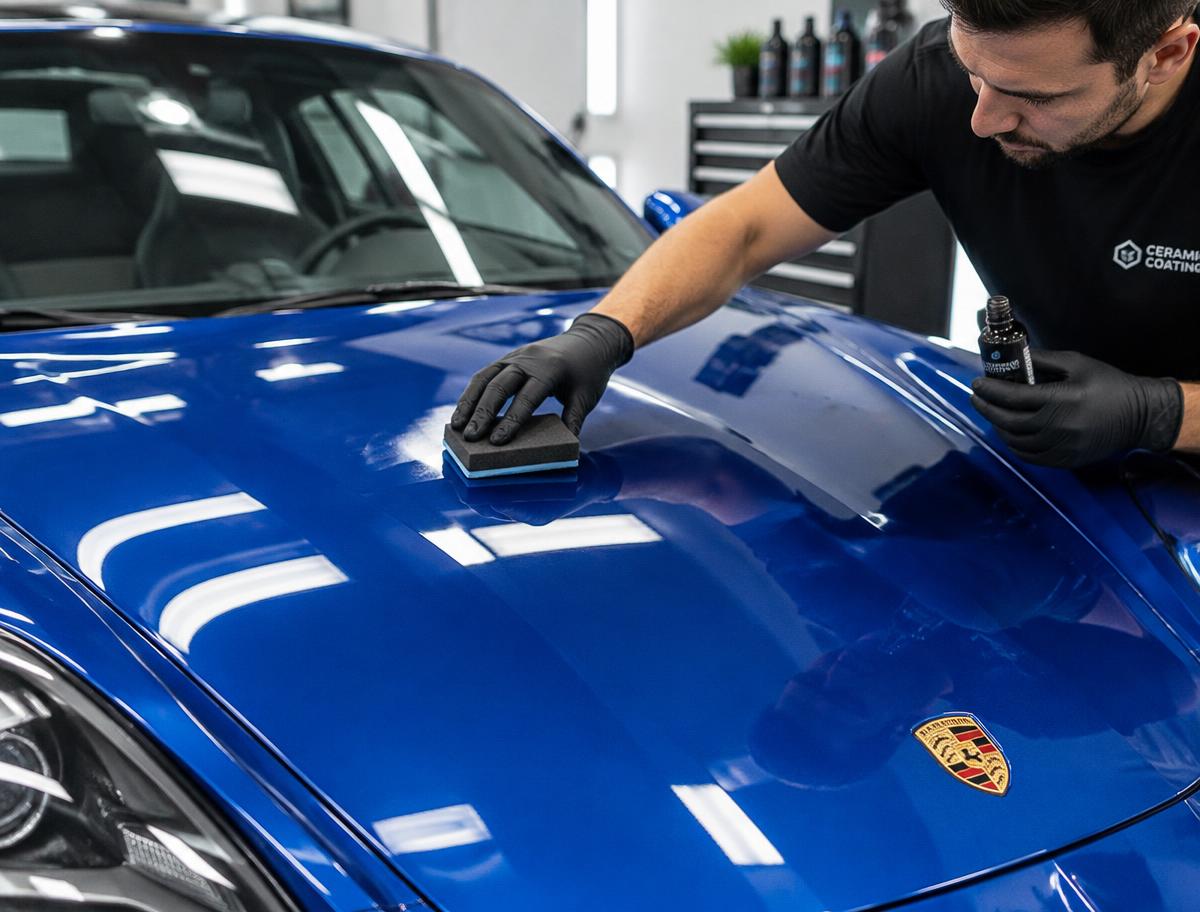
After claying, the paint is typically wiped down and inspected before any wax, sealant, or ceramic coating is applied, since clay prepares the surface for maximum product bonding.
Should Clay Bar Be Paired With Paint Correction or Coating?
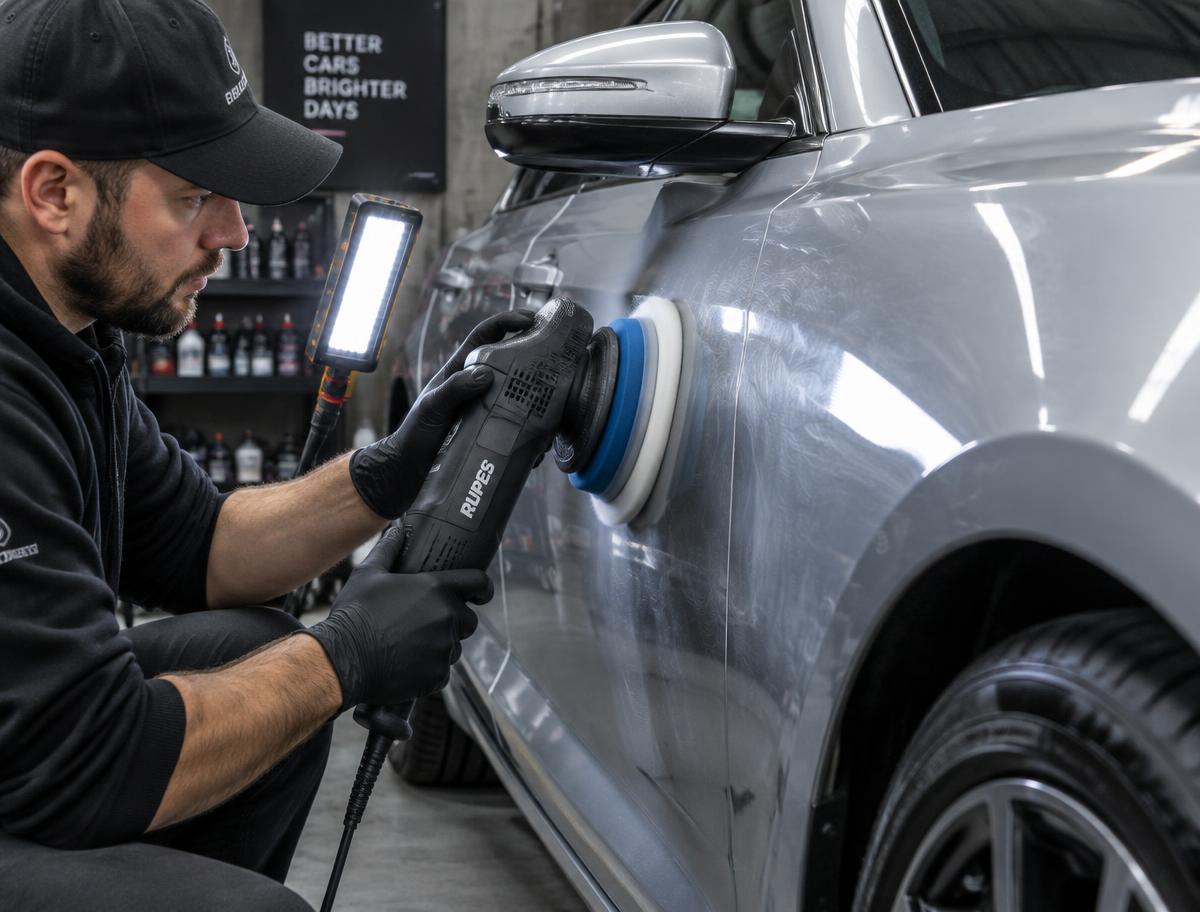
Yes, clay bar treatment is considered a prep step that should always precede paint correction or ceramic coating, since any embedded contamination left on the surface can interfere with polishing results or coating adhesion.
Most professional ceramic coating packages in the $599-$1,499 range include a clay bar step as part of the surface preparation process, since skipping it can shorten coating lifespan significantly.
People also ask
Let the pros handle it
Full Car Detailing of Houston offers these services at your home or office across Houston: