What is industrial and iron fallout?
Iron fallout consists of microscopic metal particles, often from brake dust or rail and industrial activity, that land on your paint and chemically bond to the clear coat over time. Left untreated, these particles can oxidize and etch tiny pits into the surface.
Industrial fallout is a broader term covering fallout from refineries, factories and rail yards — Houston vehicles parked near the Houston Ship Channel or in industrial corridors of Harris County are especially prone to this.
Why Houston cars are especially at risk
The Houston Ship Channel and surrounding refinery and petrochemical facilities release fine particulate fallout that settles on vehicles parked or driven nearby, including areas near I-10 East and the East End. Saharan dust events in summer can add another layer of abrasive grit to the mix.
Combined with Houston's humidity, these particles can bond and begin etching into clear coat faster than in drier climates, making regular decontamination more important here than in many other cities.
How to tell if your car has fallout
Run your hand (or a sandwich bag over your hand) lightly across clean, dry paint — if it feels gritty or rough rather than glass-smooth, you likely have embedded fallout or contamination. Visually, you may see tiny orange or rust-colored specks, especially on white or light-colored vehicles.
- Rough, sandpaper-like texture on washed paint
- Tiny rust-colored or dark specks on the surface
- Dull or hazy appearance even after washing
- Most common on hoods, roofs and trunk lids
Step-by-step removal process
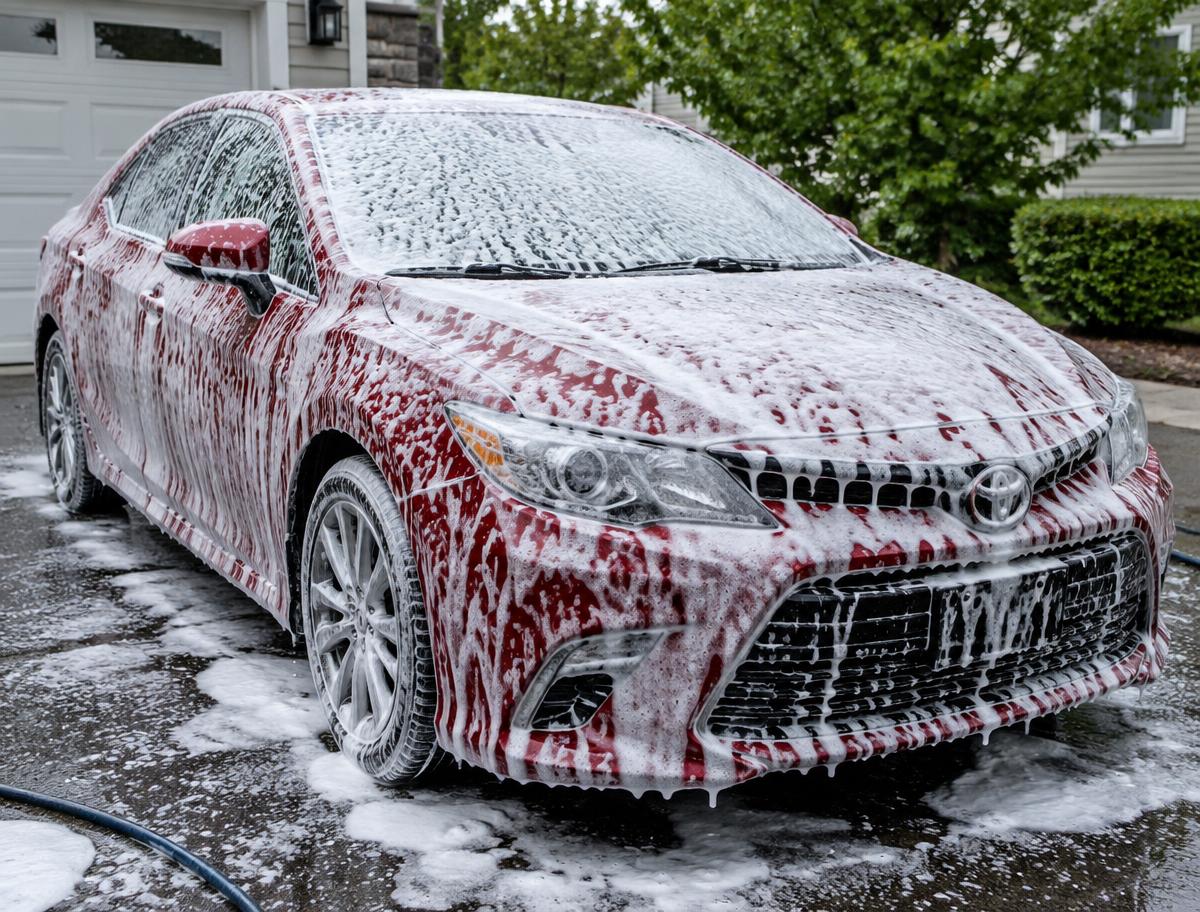
Start with a thorough wash to remove loose dirt, then apply an iron fallout remover spray — these products turn purple or bleed red/purple as they chemically dissolve bonded iron particles, making them safe to rinse away.
After rinsing, use a clay bar or clay mitt with lubricant to physically pull out any remaining bonded contaminants the chemical treatment didn't fully dissolve. Finish with a wash and dry, then apply a sealant or ceramic coating to create a smoother, slicker barrier against future fallout.
Preventing future fallout buildup
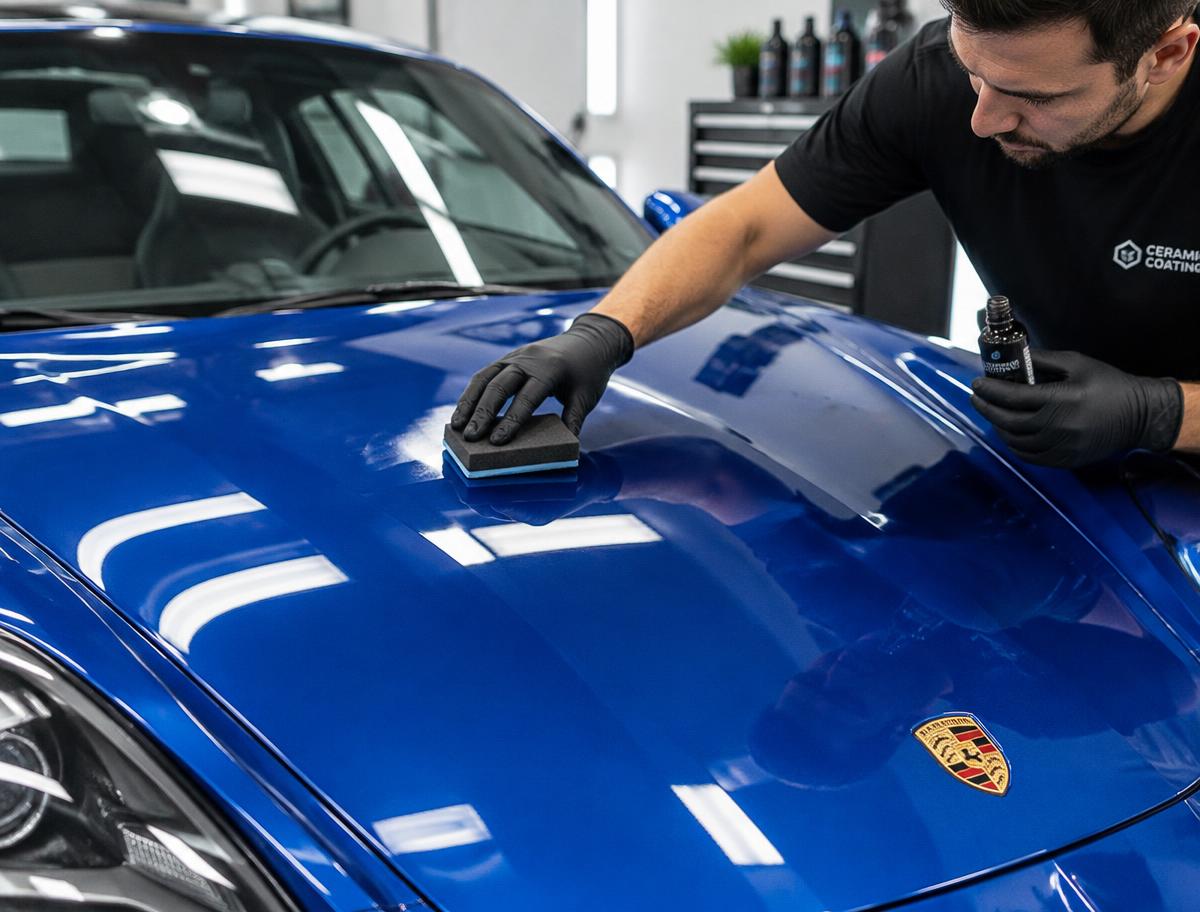
A ceramic coating ($599–$1,499) makes it significantly harder for iron and industrial particles to bond to the clear coat, and makes future decontamination washes easier. Parking in a garage or under a carport when possible also reduces exposure near industrial corridors.
Regular washing every one to two weeks limits how long fallout particles sit on the paint before they're removed.
DIY vs. professional decontamination
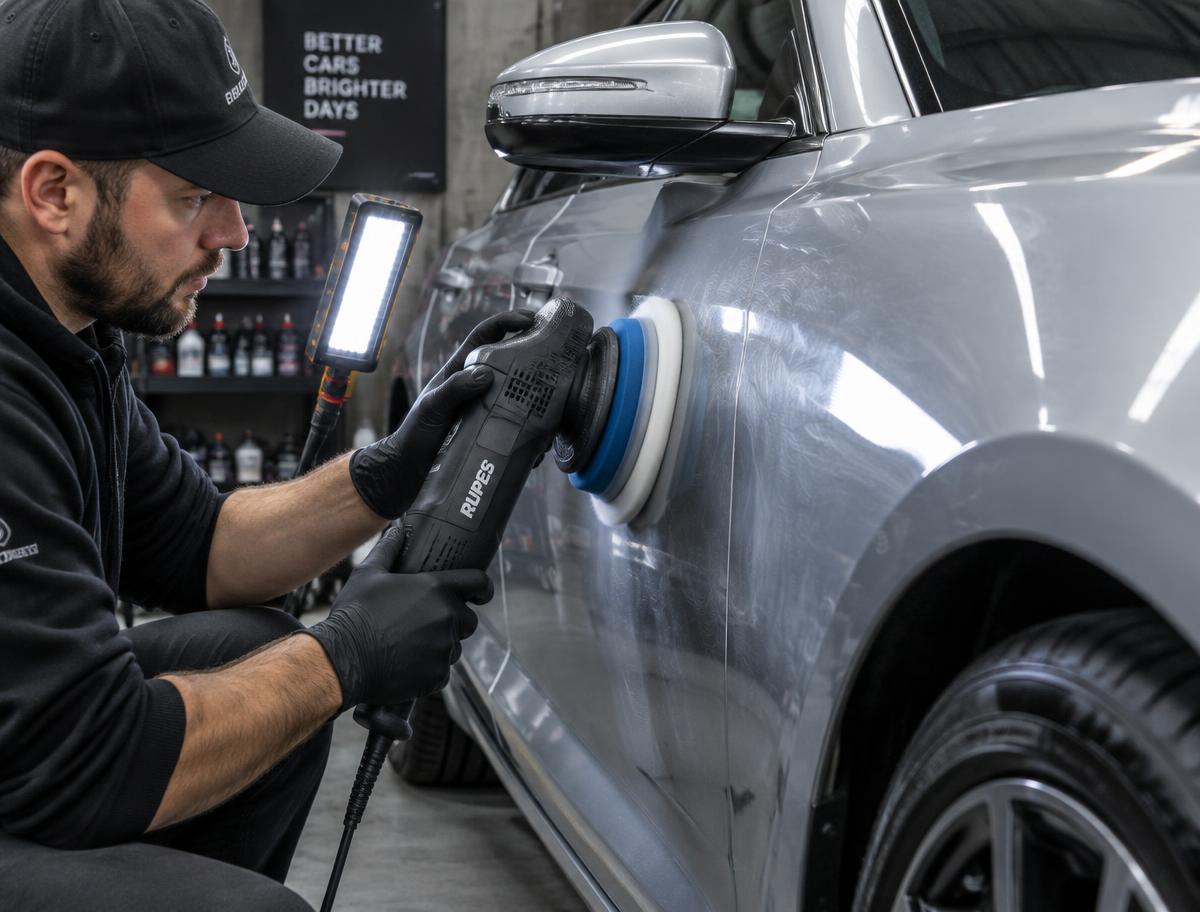
DIY iron removers and clay bars can handle light fallout, but paint that's gone untreated for a long time, or shows visible pitting, often needs professional paint correction to polish out etching before the surface is smooth again.
A professional exterior detail or paint correction service ($349–$999 for correction) includes proper decontamination as a standard step before any polishing or coating work.
People also ask
Let the pros handle it
Full Car Detailing of Houston offers these services at your home or office across Houston: