Why Are Love Bugs So Damaging to Car Paint?
Love bugs swarm in large numbers across the Houston area twice a year, typically in May and September, and their bodies contain acidic compounds that become more corrosive the longer they sit on hot paint. Texas highway driving during these swarms, especially along I-10 and I-45, means many cars accumulate heavy splatter on the front bumper, hood, and grille within a single trip.
Because asphalt and hood surfaces can exceed 150°F in summer, love bug residue can bake onto clear coat within an hour, making removal much harder and increasing the risk of etching if not treated promptly.
What's the Best Method to Remove Love Bugs Without Damaging Paint?
Start by rinsing the area with water to loosen any loose debris, then apply a dedicated bug-and-tar remover or a diluted all-purpose cleaner directly onto the affected panels. Let the product dwell for 3-5 minutes so it can break down the dried residue without requiring aggressive scrubbing.
Wipe gently with a clean, soft microfiber towel, folding to a fresh section frequently so you're not dragging grit across the paint. For stubborn spots, a clay bar treatment can lift remaining residue without scratching the clear coat.
- Rinse with water first to loosen debris
- Apply bug-and-tar remover and let it dwell
- Wipe with a soft microfiber towel, not a sponge
- Use a clay bar for stubborn baked-on residue
- Finish with a protective wax or sealant
How Can You Prevent Love Bug Etching in the First Place?
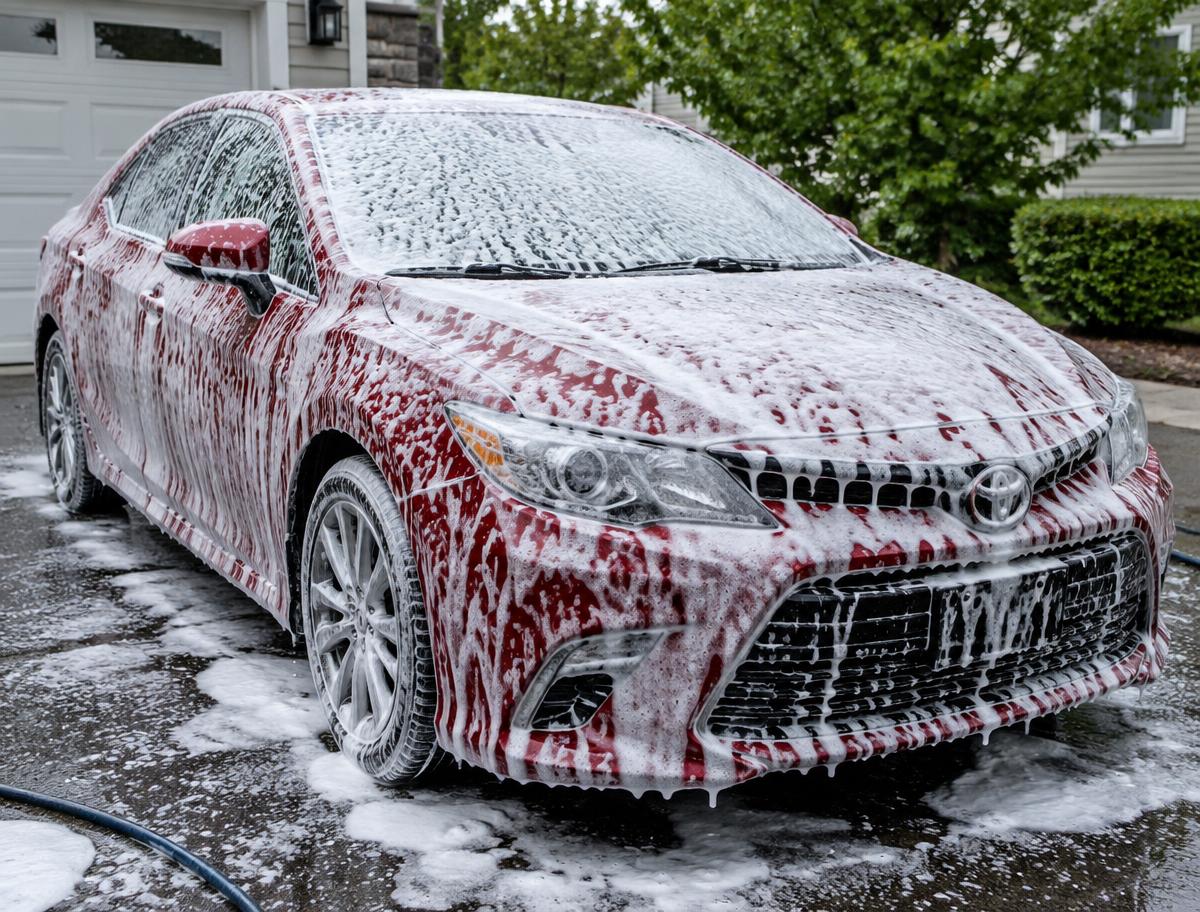
The single most effective prevention is rinsing your car as soon as possible after driving through a swarm, ideally within a few hours, rather than letting the residue sit overnight in Houston heat. A quick rinse at home with a hose can buy you time until a full wash.
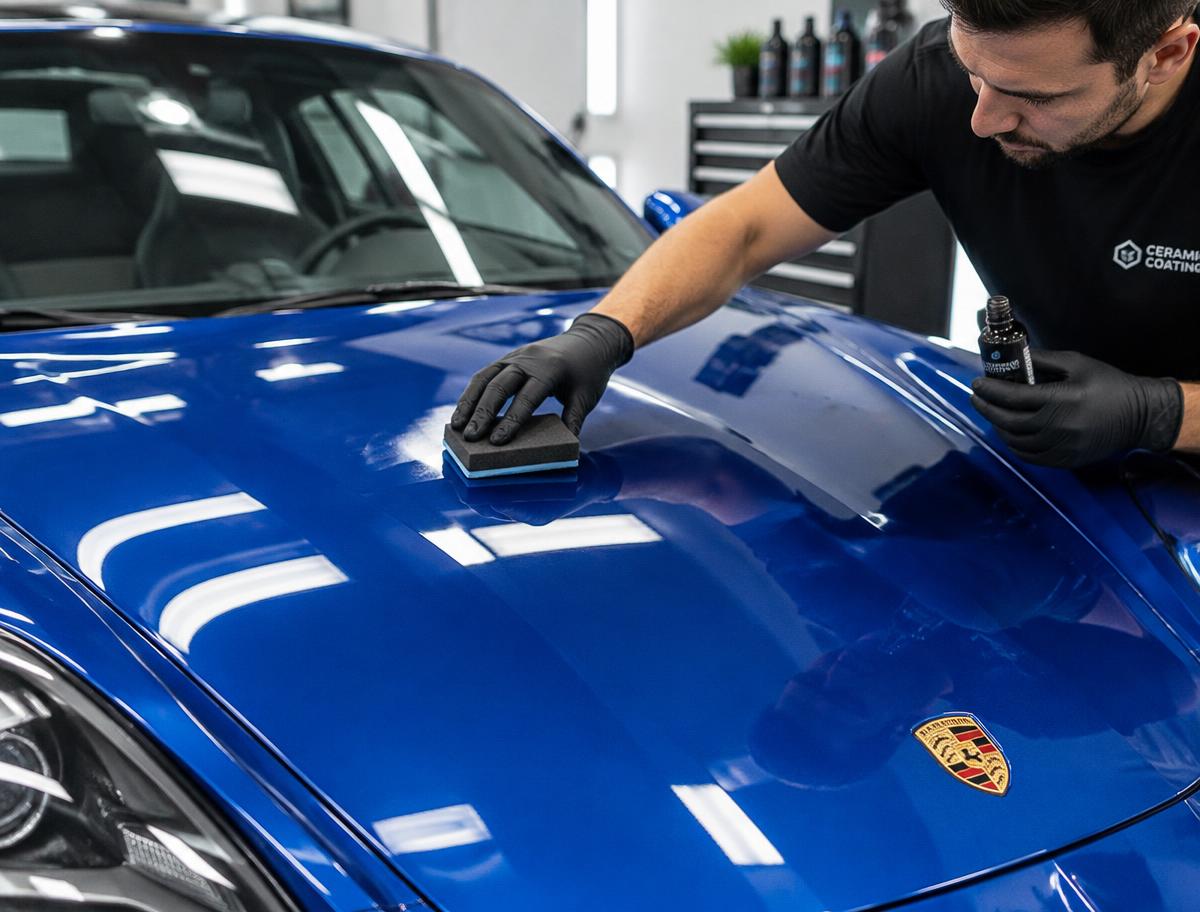
A ceramic coating also helps significantly, since the hydrophobic, slick surface makes it much harder for bug residue to bond to the clear coat, and easier to wipe away before it causes damage.
Which Parts of the Car Get Hit Hardest?
The front bumper, hood leading edge, side mirrors, and grille take the brunt of love bug impact since they're the first points of contact at highway speed. The windshield and wiper area also accumulate heavy residue that can impair visibility.
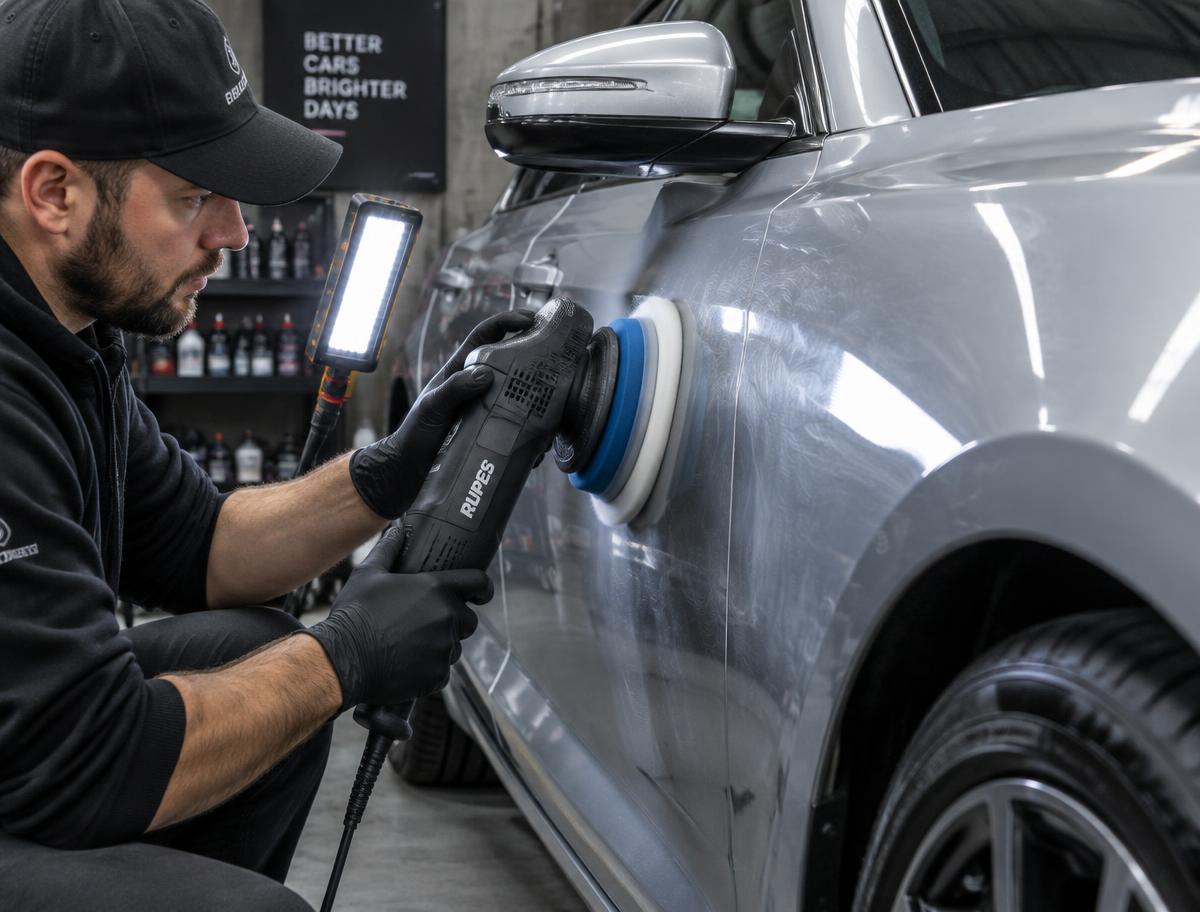
These high-impact zones benefit from extra attention during exterior detailing, including degreasing the grille and polishing the hood if dried residue has already begun etching the clear coat.
When Should You Call a Professional Detailer?
If love bug residue has sat for more than a day or two in the heat, it may have already created light etching that requires paint correction to fully remove rather than just a wash. A professional detailer can assess whether polishing is needed to restore gloss.
Mobile detailing is especially convenient during love bug season since a detailer can come to your home or office and address splatter promptly, rather than waiting for a weekend wash.
People also ask
Let the pros handle it
Full Car Detailing of Houston offers these services at your home or office across Houston: