Why Is Tree Sap Hard to Remove From Car Paint?
Tree sap hardens quickly in Houston's heat, turning from a sticky residue into a glue-like film that bonds tightly to the clear coat within hours. Parking under oak or pine trees, common across Houston neighborhoods, means many vehicles accumulate sap regularly, especially during spring and early summer.
If left too long, sap can actually eat into the clear coat's finish, leaving a dull spot even after the sap itself is removed, which is why prompt treatment matters.
What's the Safest Way to Remove Tree Sap?
Apply a dedicated sap and tar remover or isopropyl alcohol to a microfiber cloth and hold it against the sap for 30-60 seconds to soften it before attempting to lift it off. Avoid picking at hardened sap with a fingernail or hard tool, since this can scratch the clear coat.
Once softened, gently wipe in one direction rather than scrubbing in circles, and follow up with a clay bar if any tacky residue remains embedded in the paint texture.
- Soften sap with a dedicated remover or alcohol first
- Never scrape with a fingernail or hard tool
- Wipe gently in one direction
- Follow with a clay bar for embedded residue
- Apply wax or sealant afterward for protection
Why Does Houston Pollen Coat Cars So Heavily?
Oak pollen season in Houston, typically peaking in late winter through spring, can leave a thick yellow-green film across every exterior surface within a single day. Unlike simple dust, pollen contains oils that can bond to paint and become harder to remove the longer it sits, especially when morning dew or light rain turns it into a paste.
Saharan dust events, which periodically drift across the Gulf of Mexico during summer months, can compound this by adding a fine gritty layer on top of pollen residue.
How Do You Properly Wash Off Heavy Pollen Buildup?
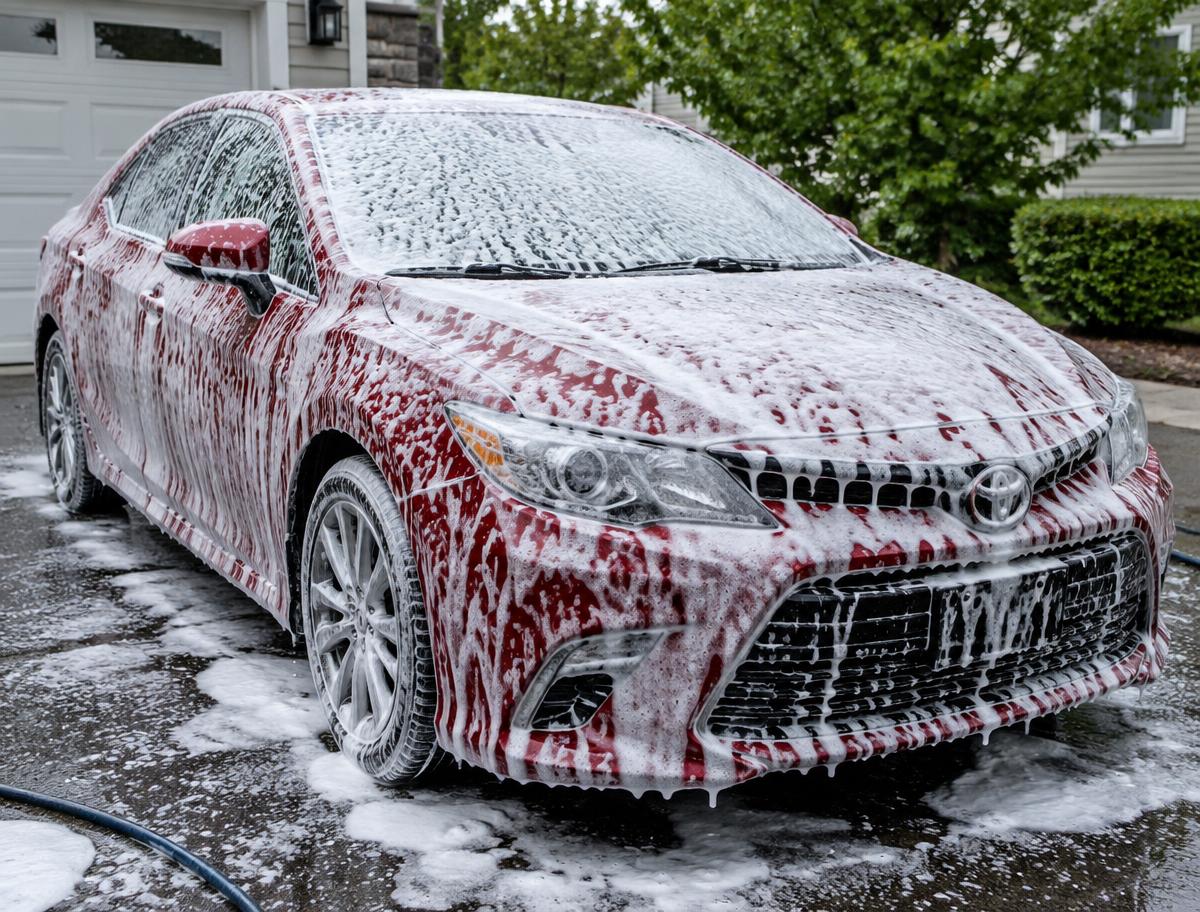
Rinse the car first with a strong stream of water to loosen as much loose pollen as possible before introducing a wash mitt, since dragging a mitt across dry pollen can create fine scratches. Use a pH-neutral car shampoo and the two-bucket wash method to minimize swirl marks.
For pollen that has dried into a film over several days, a clay bar treatment helps lift embedded particles that a regular wash won't fully remove, restoring a smooth, contaminant-free surface before waxing or coating.
How Can Ceramic Coating Help With Sap and Pollen?
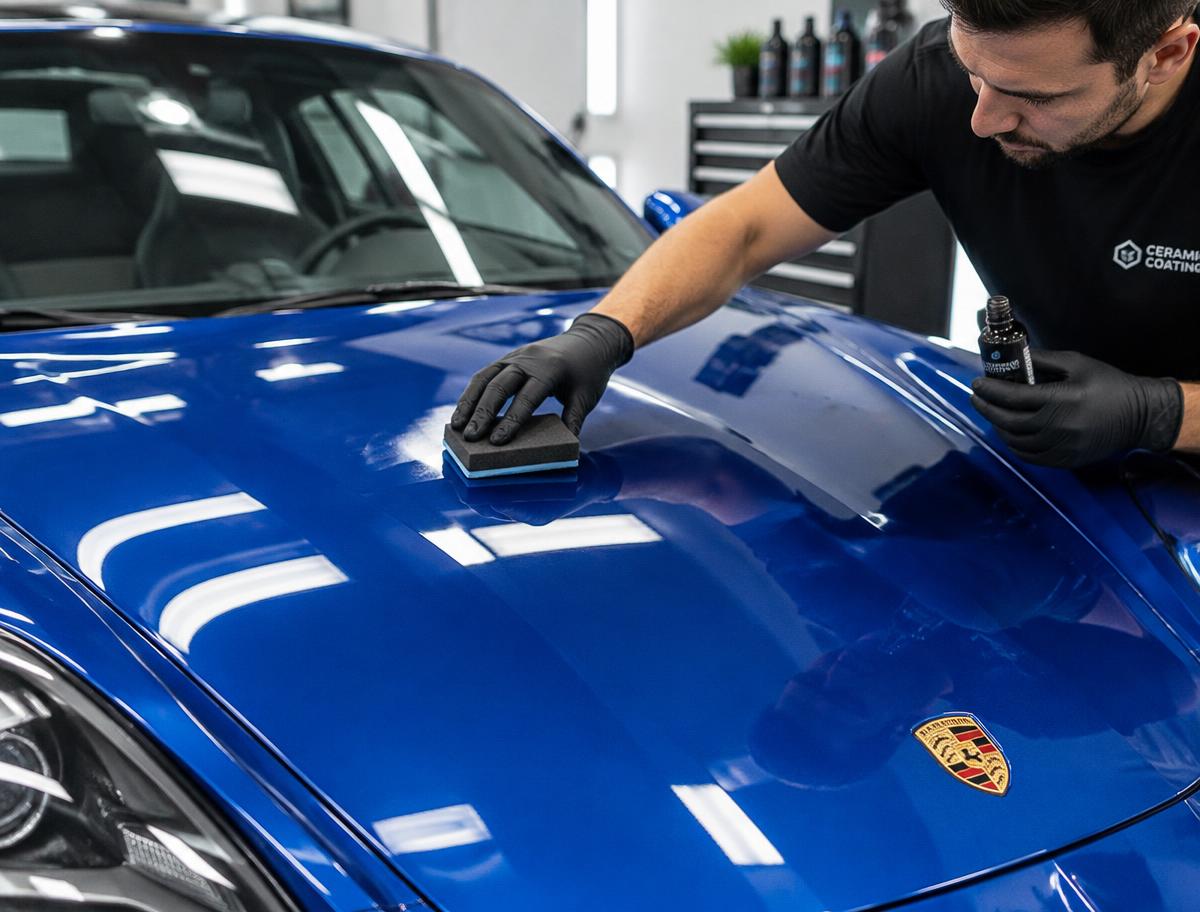
A ceramic coating's slick, hydrophobic surface makes it significantly harder for sap and pollen to bond to the paint, and both tend to wipe away much more easily during regular washes. This is especially valuable during Houston's heavy spring pollen season when washing every few days isn't always realistic.
Even without a full coating, maintaining a wax or sealant layer provides a sacrificial barrier that protects the clear coat underneath from pollen oils and sap acids.
People also ask
Let the pros handle it
Full Car Detailing of Houston offers these services at your home or office across Houston: